Community is the Operating System of WordPress.
WordPress powers 45% of the web not just because of its code, but because of its people. But communities don’t just “happen”. They are built, nurtured, and sustained by leaders like you.
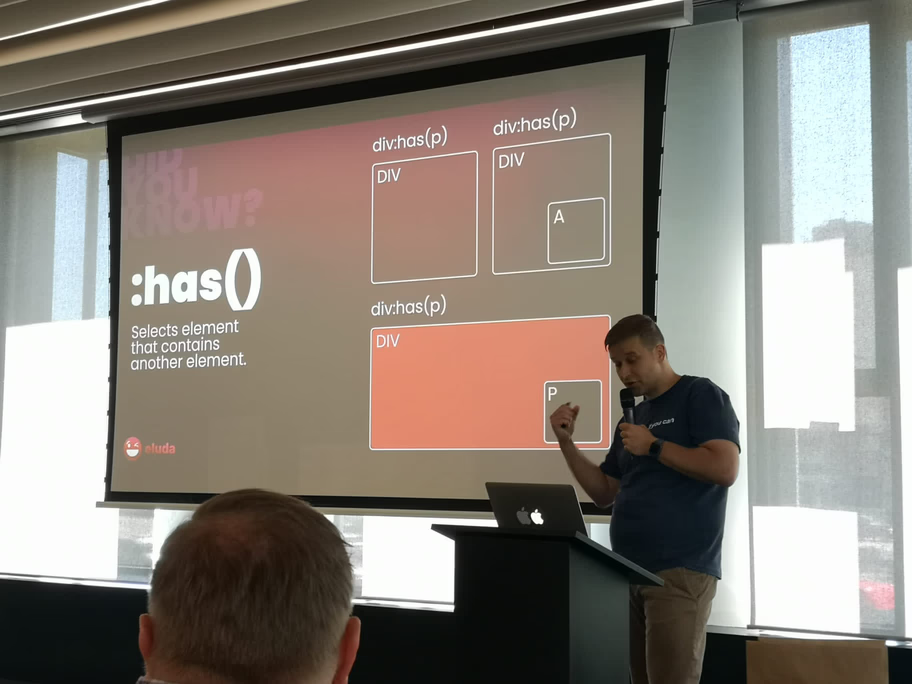
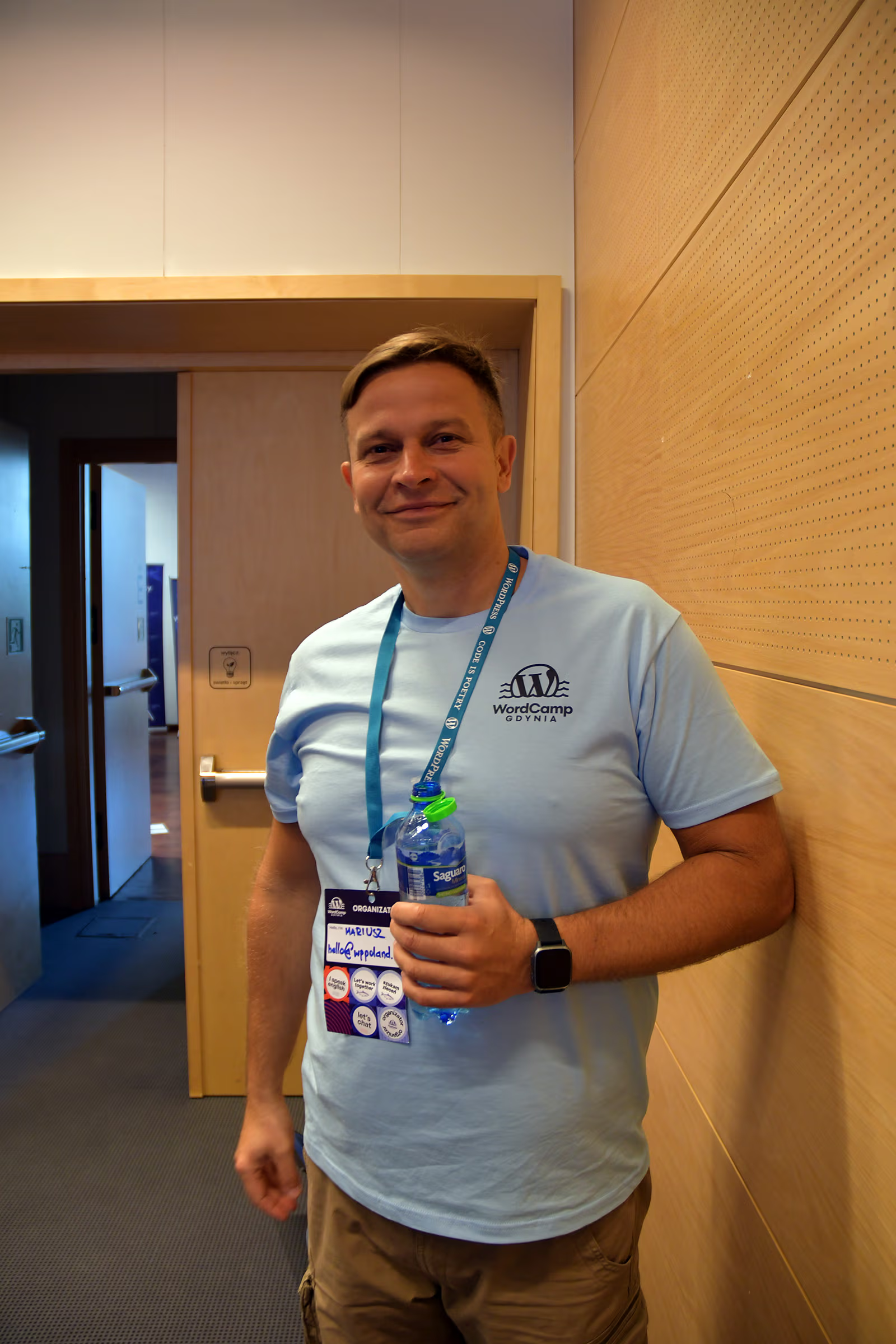
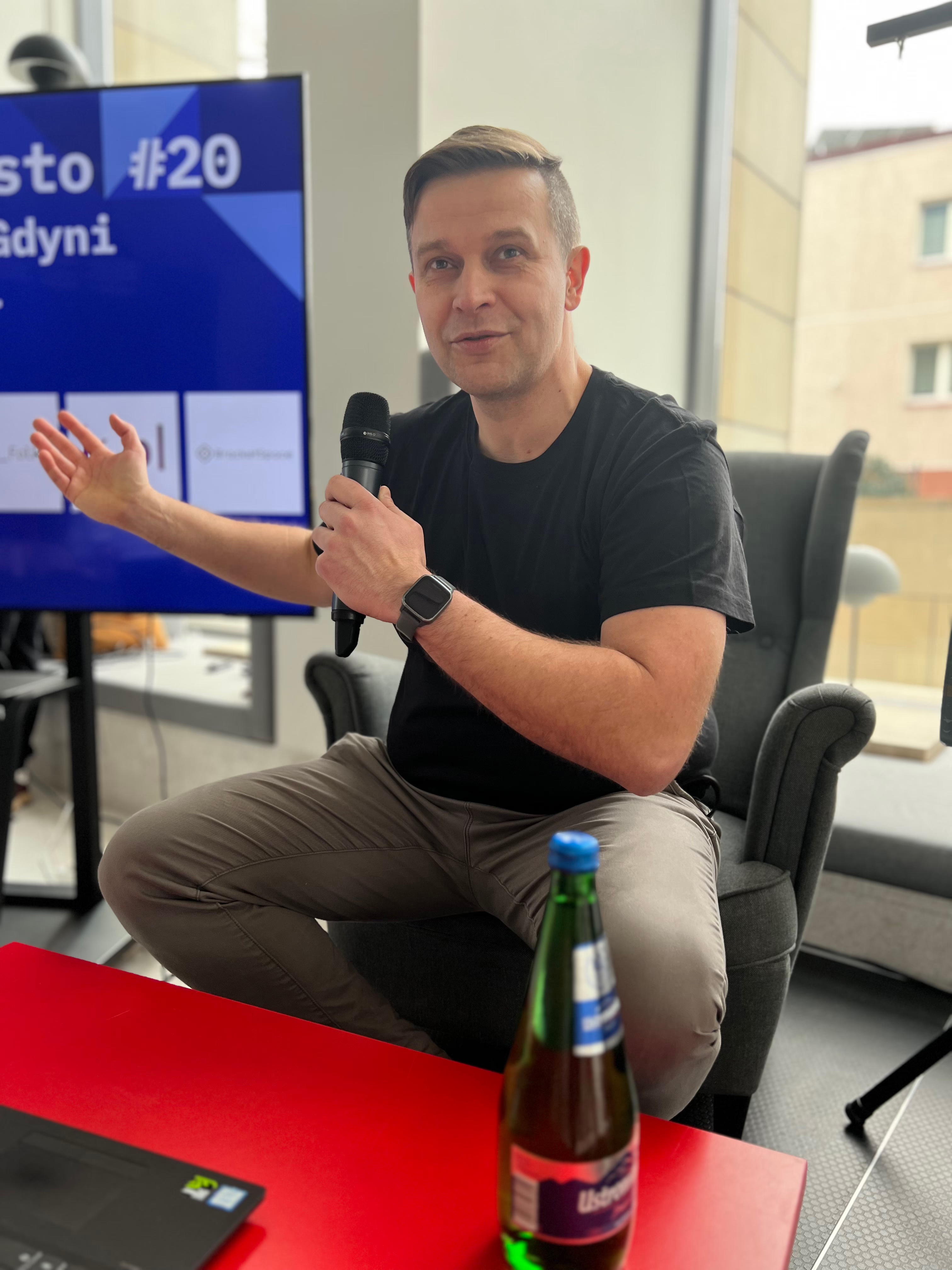
I co-organized WordUp Gdańsk for over a decade. We started with 5 people in a dark pub. We ended up filling auditoriums with 150+ developers, launching careers, and sparking startups.
In this comprehensive guide, I will share the “Source Code” for a successful tech meetup in 2026. This isn’t just about ordering pizza; it’s about building a movement.
Part 1: The “why” (and what’s IN it for you?)
Organizing a meetup is unpaid work. You will carry heavy boxes of swag, debug projector HDMI cables, and deal with last-minute speaker cancellations. So why do it?
- Leadership Skills: You learn to manage teams, negotiate with sponsors, and public speak. This is an MBA in the real world.
- Network: You become the “Connector”. Everyone in the local ecosystem knows you. The best job offers often come to organizers first.
- Impact: You help people. I’ve seen juniors get their first jobs and seniors find co-founders at our meetups.
Part 2: The venue - The “recruit-a-Venue” model
Rule #1: Never pay for a venue.
In the early days, we met in pubs. It was loud, dark, and unprofessional. Developers couldn’t see the code on the screen, and the smell of beer didn’t scream “High Tech”.
In 2026, expect professional standards. But how do you get a fancy office for free?
The Pitch: Approach local Software Houses or Co-working spaces.
“We will bring 50+ talented WordPress developers to your office on a Tuesday evening. You provide the space, the projector, and maybe 10 pizzas. In exchange, you get a 5-minute slot to pitch your company and your open job positions to a captive audience of experts.”
Why it works:
- For you: Free venue, professional equipment.
- For them: Recruitment leads for the price of a few pizzas (cheaper than a recruiter’s fee).
Part 3: Content curation (no sales pitches)
The quickest way to kill a meetup is a “Sales Pitch disguised as a Talk”. If a speaker spends 20 minutes talking about their proprietary plugin without teaching anything, attendees won’t come back.
The Code of Conduct:
- Good: “How we scaled WooCommerce to 1M products.” (Teaches principles).
- Bad: “Why our Agency is the best at WooCommerce.” (Sells services).
Finding speakers
Don’t wait for volunteers. Hunt them.
- The “Lightning Talk” Concept: Ask for 10-minute talks. It’s less scary for first-time speakers than a full 45-minute keynote.
- Case Studies: Ask agencies to show code. Developers love seeing dirty, real-world solutions, not just polished slides.
- Guest Stars: Use Zoom/Google Meet to bring in a core contributor from another country for a Q&A.
Part 4: Sponsorship & money
You need money for stickers, domains, or better video equipment. Create a simple Sponsorship Deck (PDF).
Tiers:
- Supporter (Small Cost): Logo on Meetup.com page, Shout-out at the start.
- Partner (Medium Cost): Logo on slides, Roll-up banner at the event.
- Sponsor (High Cost): 5-minute hiring pitch, booth/table at the event, dedicated newsletter mention.
Important: WordPress Global Community Sponsorship programs exist. If you follow official rules (WordCamp Central), you might get funding for venue/food directly from the Foundation.
Part 5: Marketing - Building the buzz
A meetup without attendees is just a meeting.
- Meetup.com: Yes, it costs money annually, but its SEO is unbeatable. It pushes your event to people interested in “Tech”, “PHP”, “Web Design” in your city.
- Cross-Pollination:
- Go to the local JavaScript meetup and invite them (Gutenberg is React, after all!).
- Go to the SEO meetup (Technical SEOs love WordPress).
- Go to the Marketing meetup (Content creators need WP).
- The “Photos” Effect: Hire a photographer (or a volunteer with a good camera). Upload high-quality photos the next day. Tag people. When people see professional photos of their friends having fun and learning, FOMO (Fear Of Missing Out) kicks in. They will come to the next one.
Part 6: Example agenda (the 18:00 - 21:00 flow)
Don’t start with code immediately. Allow for “decompression” time after work.
- 18:00 - 18:30: Connectivity & Pizza (Networking). Let people arrive, eat, and chat.
- 18:30 - 18:45: Intro & Sponsors. “Who is hiring?” (Pass the microphone).
- 18:45 - 19:15: Presentation 1 (The “Soft” Talk - e.g., SEO, Business, Design).
- 19:15 - 19:30: Break.
- 19:30 - 20:15: Presentation 2 (The “Hard” Talk - e.g., React, PHP, CI/CD).
- 20:15 - 21:00: After-party / Networking.
Part 7: Sustainability & burnout
Organizing is hard work. The “Bus Factor”: If you get hit by a bus tomorrow, does the meetup die? If yes, you have failed as a leader.
Build a Team: You need at least 3 roles:
- The Face: MCs the event, introduces speakers.
- The Ops: Handles the venue, orders pizza, checks standard keys.
- The Social: Takes photos, posts on Instagram/Twitter/LinkedIn live.
Rotate these roles. Take summer breaks (July/August represent low attendance anyway).
Summary: Just start
Organizing a WordPress meetup was one of the best investments of my career. It taught me that open source is not about line count; it’s about the people who write it.
Start small. 5 people in a coffee shop is a meetup. Be consistent. Be welcoming. And always buy enough pizza.
Good luck, Organizer!