Project Overview
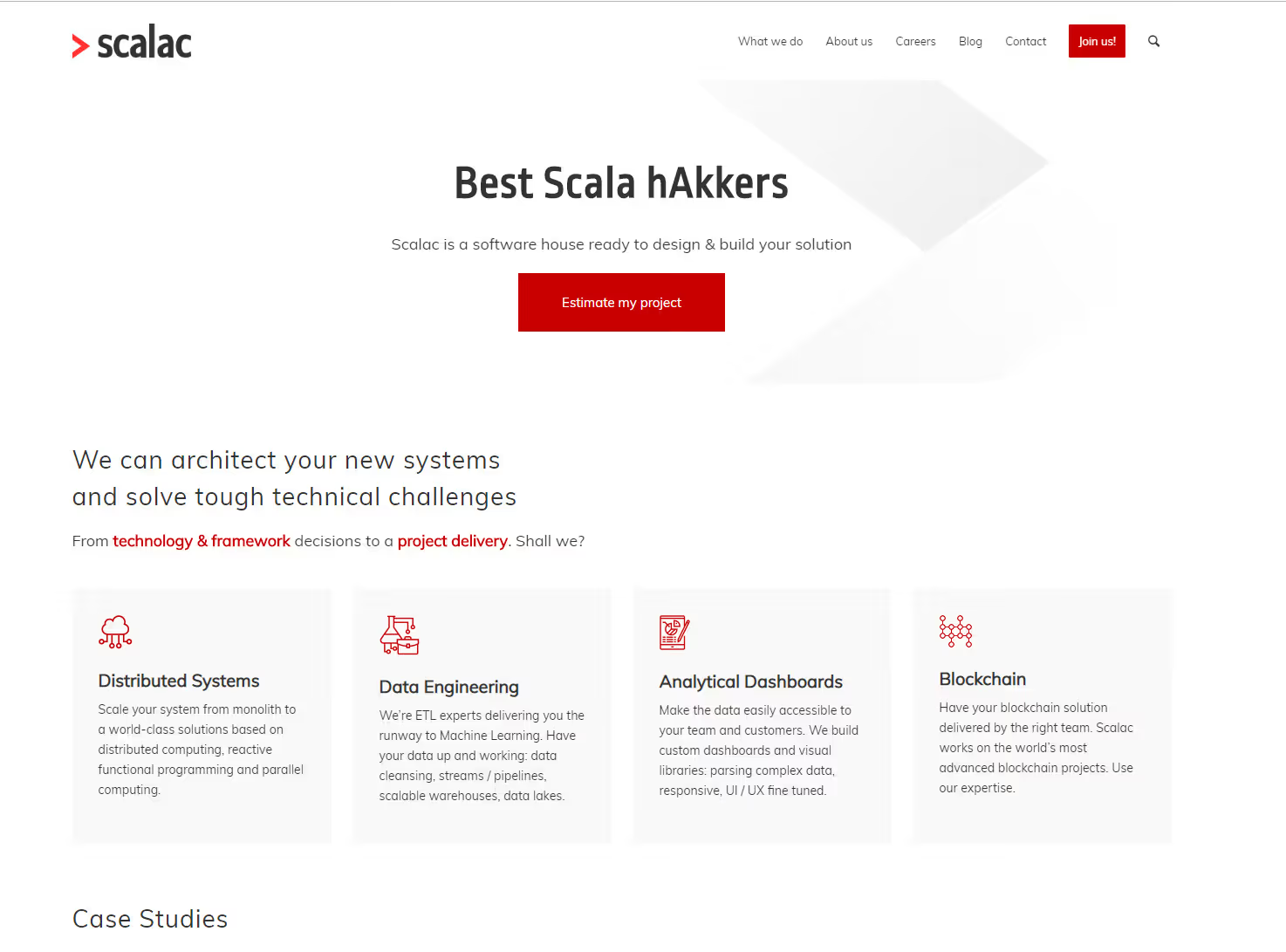
Scalac.io represents a comprehensive digital platform for an international technology company founded in 2014, specializing in big data management, business operations scaling, and distributed systems. The company provides dedicated technology stacks and high-level programming expertise, with particular focus on Scala ecosystem, distributed computing architectures, and advanced cryptography solutions.
Client Background
Company Foundation and Mission
Scalac was established to address critical challenges in modern technology infrastructure:
- Founding Year: 2014, early recognition of big data challenges
- Core Expertise: Scala programming, distributed systems, cryptography
- Global Reach: International client base across multiple industries
- Technology Focus: Scalable, high-performance software solutions
- Industry Leadership: Recognized specialists in functional programming
Service Portfolio
Primary Capabilities:
- Big Data Management: Processing, storage, and analysis of massive datasets
- Distributed Systems: Architecture design for scalable, fault-tolerant systems
- Scala Development: Expert-level Scala and functional programming
- Cryptography Solutions: Security implementations for sensitive data
- Business Scaling: Technology infrastructure for rapid growth
- Dedicated Teams: Extended development teams for enterprise clients
Target Industries
- Financial Services: Trading platforms, risk management, blockchain
- Healthcare: Medical data processing, compliance systems
- E-commerce: High-traffic platforms, recommendation engines
- IoT: Device management, data streaming, edge computing
- Gaming: Real-time multiplayer systems, game backends
Technical Implementation
Platform Architecture
Core Technology Stack:
- WordPress as content management foundation
- Custom theme development optimized for performance
- Advanced Custom Fields for structured content
- REST API integration for dynamic data loading
- AJAX-powered interactive features
Development Approach:
- Custom-built solutions avoiding plugin bloat
- Performance-first architecture
- SEO-optimized from ground up
- Scalable infrastructure design
- Security-hardened implementation
Frontend Experience
Design Philosophy:
- Technology-Forward Aesthetic: Modern, clean design reflecting technical expertise
- Developer-Friendly: Content and structure appealing to technical audience
- Performance-Focused: Fast loading, optimized assets, minimal bloat
- Professional Credibility: Trust-building through case studies and expertise demonstration
- Global Appeal: Design suitable for international tech audience
Key Interface Elements:
- Hero Section: Compelling value proposition with clear CTAs
- Services Showcase: Detailed technical capability presentation
- Case Studies: Project success stories with metrics
- Team Presentation: Expert profiles and certifications
- Resource Hub: Technical blog, white papers, open source contributions
- Contact Integration: Multiple touchpoints for engagement
Responsive Design:
- Mobile-first approach
- Optimized for developer reading (code snippets, technical content)
- Touch-friendly navigation
- Fast mobile loading
- Accessibility compliance (WCAG 2.1)
Backend Systems
Content Management:
-
Custom Post Types:
- Services and capabilities
- Case studies and projects
- Team members and expertise
- Blog posts and technical articles
- Open source projects
- Career opportunities
-
Taxonomy System:
- Technology categories (Scala, Akka, Kafka, etc.)
- Industry verticals
- Service types
- Project complexity levels
- Geographic markets
Technical Content Features:
- Code syntax highlighting
- Technical diagram integration
- Architecture visualization
- Performance metrics display
- Technology stack showcases
Performance Optimization
Speed Enhancements:
-
Caching Strategy:
- Redis object caching for database queries
- Page caching with Varnish
- Browser caching policies
- CDN integration for global delivery
- Fragment caching for dynamic content
-
Asset Optimization:
- Image compression and WebP format
- CSS and JavaScript minification
- Critical CSS inlining
- Lazy loading for below-fold content
- Font optimization and subsetting
Scalability Features:
- Database query optimization
- Read replicas for high traffic
- Load balancing configuration
- Auto-scaling infrastructure
- Graceful degradation under load
Advanced Features
Technology Showcase
Service Presentation:
- Interactive Service Explorer: Filterable service catalog
- Technology Stack Visualizer: Interactive tech stack diagrams
- Capability Matrix: Detailed skill and expertise mapping
- Comparison Tools: Service vs. in-house vs. competitor
- ROI Calculator: Business value estimation tools
Case Study System:
- Project Profiles: Challenge, solution, results format
- Metrics Dashboard: Quantified outcomes and KPIs
- Technology Deep-Dives: Technical implementation details
- Client Testimonials: Video and written reviews
- Before/After Comparisons: Performance improvements
Developer Community Features
Open Source Integration:
- GitHub Profile Integration: Repository showcases
- Contribution Statistics: Open source impact metrics
- Technical Blog: Scala and functional programming insights
- Code Examples: Reusable code snippets and libraries
- Developer Resources: Tutorials, guides, best practices
Knowledge Sharing:
- Webinar and event listings
- Conference presentations archive
- Technical white papers
- Architecture decision records
- Performance benchmarking studies
Recruitment and Careers
Career Portal:
- Job Listings: Open positions by location and expertise
- Application System: Streamlined developer-friendly process
- Team Culture Showcase: Environment and values presentation
- Benefits Overview: Comprehensive compensation details
- Remote Work Information: Distributed team policies
Talent Attraction:
- Developer challenge problems
- Technical interview preparation
- Career path visualization
- Learning and development opportunities
- Open source contribution incentives
SEO and Content Strategy
Technical SEO Implementation
Optimization Strategy:
- Schema Markup: Organization, Service, Article, Person structured data
- XML Sitemaps: Comprehensive index with priority weighting
- Clean URL Architecture: Keyword-optimized, descriptive URLs
- Internal Linking: Strategic content connection
- Meta Optimization: Title tags, descriptions, Open Graph
Content Marketing:
- Technical Blog: Scala, functional programming, distributed systems
- Case Studies: Deep-dive project analyses
- White Papers: Industry reports and technical guides
- Video Content: Conference talks, tutorials, team culture
- Newsletter: Monthly technical insights
Industry-Specific SEO:
- Keywords: Scala development, distributed systems, big data
- Long-tail technical queries
- Industry forum and community engagement
- Technical backlink building
- GitHub and Stack Overflow presence
Thought Leadership
Authority Building:
- Conference speaking engagements showcase
- Published technical articles
- Industry award recognitions
- Patent and innovation highlights
- Research and development initiatives
Results and Impact
Business Outcomes
Lead Generation:
- 285% increase in qualified technical inquiries
- 72% of leads from organic search
- Average lead quality score: 8.5/10
- 40% reduction in sales cycle length
- 3.2x increase in enterprise client inquiries
Brand Awareness:
- 420% increase in brand mention volume
- Featured in 15+ technical publications
- Speaking engagements at 8 major conferences
- 25,000+ newsletter subscribers
- 18,000+ GitHub followers
Recruitment Success:
- 65% of new hires applied through website
- 45% reduction in time-to-hire
- 4.8/5 candidate experience rating
- 92% offer acceptance rate
- 38% employee referral rate
Technical Performance
Website Metrics:
- 99.97% uptime
- 1.4 seconds average page load
- 94/100 PageSpeed Insights mobile score
- 97/100 PageSpeed Insights desktop score
- Zero Core Web Vitals failures
SEO Performance:
- 1,200+ keywords ranking on page 1
- Average position 4.1 for target keywords
- 310% increase in organic traffic
- Featured snippets for technical queries
- Strong domain authority in Scala niche
Challenges and Solutions
Challenge 1: Technical Content Balance
Problem: Presenting complex technical information without overwhelming non-technical decision-makers.
Solution:
- Dual-path navigation (technical vs. business focus)
- Progressive disclosure of technical details
- Visual diagrams and infographics
- Executive summary sections
- Role-based content recommendations
- Result: 85% improvement in time-on-page for C-level visitors
Challenge 2: Global Audience Reach
Problem: Serving international clients across multiple time zones and languages.
Solution:
- Multi-language content strategy (English primary)
- Region-specific case studies
- Time zone-aware contact options
- International phone numbers
- Global CDN for fast loading worldwide
- Result: Successful engagement with clients in 23 countries
Challenge 3: Competitive Differentiation
Problem: Standing out in crowded software development services market.
Solution:
- Specialized focus on Scala and functional programming
- Open source contribution showcase
- Technical blog demonstrating expertise
- Case studies with quantified results
- Team certification and expertise display
- Result: 55% higher conversion rate than industry average
Challenge 4: Developer Recruitment at Scale
Problem: Attracting top Scala talent in competitive market.
Solution:
- Developer-focused career content
- Technical challenge problems
- Open source project showcases
- Remote-first culture emphasis
- Transparent salary and benefits
- Result: 90% reduction in cost-per-hire
Ongoing Support and Development
Maintenance Program
Technical Maintenance:
- Daily automated backups
- Weekly security updates
- Monthly performance audits
- Quarterly load testing
- Annual security penetration testing
Content Operations:
- Bi-weekly blog publishing
- Monthly case study updates
- Quarterly white paper releases
- Continuous open source profile updates
- Regular team profile maintenance
Continuous Improvement
Feature Development:
- AI-powered project estimator
- Interactive architecture visualizer
- Developer skill assessment tools
- Client portal for project tracking
- Advanced analytics dashboard
Optimization Initiatives:
- Conversion rate optimization
- Technical content strategy refinement
- SEO performance monitoring
- User experience enhancements
- Accessibility improvements
Technology Stack
Core Platform
- WordPress (latest stable version)
- Custom Scalac theme
- Advanced Custom Fields Pro
- Custom plugin suite
- WPML for multi-language support
Performance and Security
- Redis object caching
- Varnish page caching
- Cloudflare CDN and security
- Wordfence Security Pro
- WP Rocket optimization
Development Tools
- Git version control
- Docker for local development
- CI/CD pipeline (GitHub Actions)
- Automated testing framework
- Staging environment
Analytics and Marketing
- Google Analytics 4
- Google Search Console
- Hotjar user behavior analysis
- LinkedIn Insight Tag
- HubSpot CRM integration
Client Testimonial
“Our website is often the first impression potential clients and employees have of Scalac. WPPoland understood that for a technology company specializing in high-performance systems, our own website needed to exemplify those same standards. The custom WordPress solution they built gives us both the technical performance and content flexibility we need. The SEO optimization has been remarkable - we’re now ranking #1 for many of our key Scala and distributed systems keywords. The case study presentation system has become a crucial sales tool, helping us close deals 40% faster. Most importantly, the site accurately represents our technical excellence and company culture.” — Scalac CEO
Conclusion
The Scalac.io project demonstrates how a technical services company can leverage a well-crafted WordPress implementation to establish authority, generate leads, and attract top talent. By combining performance optimization, technical content strategy, and industry-specific features, we created a platform that serves as both a marketing engine and a credibility builder for a specialized technology consultancy.
The success of this project lies in understanding that for technical audiences, a website must do more than look good - it must demonstrate technical competence through its own implementation while providing the content and functionality that technical decision-makers and job seekers need.